
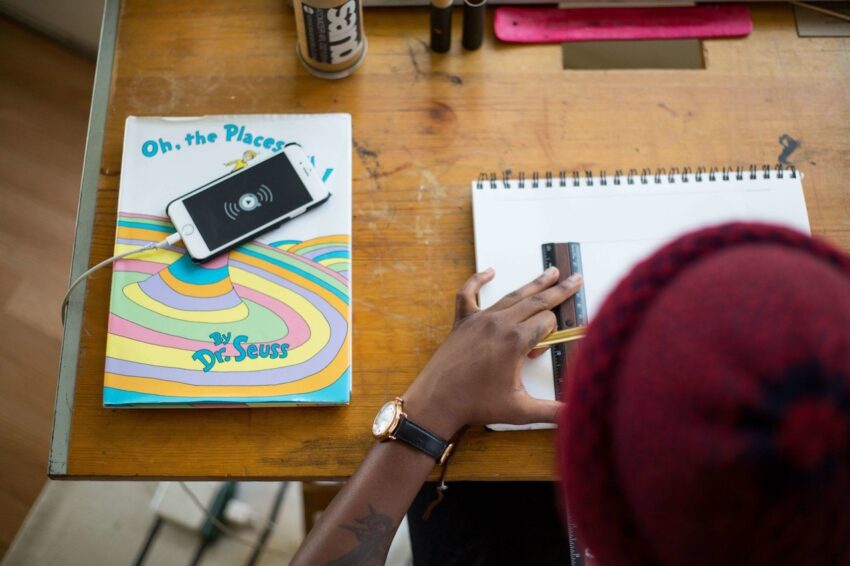
Pencils and sketches are both essential tools for drawing, but they serve different purposes and have distinct characteristics. Here’s a closer look at the difference between pencils and sketches:
Pencils
Pencils are a type of drawing tool that are used to create lines and shading on paper or other surfaces. They are typically made of graphite or charcoal, which can vary in hardness and darkness, and are available in a range of grades from hard (H) to soft (B).
There are several different types of pencils, including:
- Graphite pencils
Graphite pencils are the most common type of pencil used for drawing. They come in a range of grades from hard (H) to soft (B), with harder pencils producing lighter lines and softer pencils producing darker lines. Graphite pencils can be sharpened to a fine point for detailed drawing, or used on their side for broader strokes and shading. - Charcoal pencils
Charcoal pencils are made of compressed charcoal and are darker and softer than graphite pencils. They produce rich, velvety lines that are ideal for creating bold, dramatic drawings. - Colored pencils
Colored pencils are a type of pencil that are used to create colored drawings. They come in a range of colors and can be layered to create a variety of hues and shades.
Sketches
Sketches are rough, preliminary drawings that are used to explore ideas, plan compositions, or capture a scene or subject quickly. They are typically created with pencils or other drawing tools and can vary in level of detail and complexity.
Sketches can be used for a variety of purposes, including:
- Planning compositions
Sketches are often used by artists to plan out the composition of a drawing or painting. By creating rough sketches of the subject or scene, artists can experiment with different layouts, perspectives, and arrangements before committing to a final composition. - Capturing a moment or scene
Sketches can also be used to quickly capture a moment or scene. They are often created on location, such as in a park or on a city street, and can be used to record the details and atmosphere of the scene. - Exploring ideas
Sketches can be used to explore different ideas or concepts for a drawing or artwork. They can be used to experiment with different styles, techniques, or subject matter before committing to a final piece.
The main differences between pencils and sketches are:
- Purpose
Pencils are used to create lines and shading in a drawing, while sketches are used to explore ideas, plan compositions, or capture a moment or scene. - Level of detail
Pencils can be used to create highly detailed drawings with precise lines and shading, while sketches are typically rough and less detailed, with emphasis on capturing the basic form and composition of a subject. - Materials
Pencils are a specific type of drawing tool, while sketches can be created with a variety of materials, including pencils, pens, markers, or charcoal. - Timeframe
Pencils are typically used for more finished, polished drawings that may take hours or even days to complete. Sketches, on the other hand, are often created quickly and spontaneously, with emphasis on capturing the essence of a subject rather than creating a highly finished piece.
Who Are Famous Pencil Artists?
Throughout history, there have been many famous artists who have used pencils as their primary medium for creating incredible works of art. Here are some of the most famous artists of pencil drawings:
- Leonardo da Vinci
Leonardo da Vinci, the famous Italian artist and inventor, was known for his incredible drawings and sketches, many of which were created using pencils. His detailed and intricate drawings, such as “The Vitruvian Man” and “The Last Supper,” are still admired and studied by artists and art enthusiasts around the world. - Vincent van Gogh
Vincent van Gogh, the famous Dutch post-impressionist painter, was also known for his incredible pencil drawings, which showcased his incredible skill in capturing the essence of his subjects with simple yet powerful lines. His drawings often focused on rural landscapes, peasants, and still lifes, and are still highly regarded for their beauty and emotional depth. - Albrecht Dürer
Albrecht Dürer, the famous German painter and printmaker, was also renowned for his incredible pencil drawings, which showcased his skill in creating highly detailed and realistic depictions of the human form and natural world. His drawings, such as “The Rhinoceros” and “Self-Portrait at the Age of 28,” are still highly regarded for their technical mastery and beauty. - Rembrandt van Rijn
Rembrandt van Rijn, the famous Dutch painter and etcher, was also known for his incredible pencil drawings, which showcased his skill in creating highly detailed and expressive portraits of his subjects. His drawings often focused on people from all walks of life, including soldiers, peasants, and even himself, and are still highly regarded for their emotional depth and realism. - Paul Cézanne
Paul Cézanne, the famous French post-impressionist painter, was also known for his incredible pencil drawings, which showcased his skill in creating simple yet powerful compositions with a few carefully placed lines. His drawings often focused on rural landscapes, still lifes, and portraits, and are still highly regarded for their beauty and simplicity.
Pencils and sketches are both essential tools for drawing, but they serve different purposes and have distinct characteristics. Pencils are used to create lines and shading in a drawing, while sketches are used to explore ideas, plan compositions, or capture a moment or scene. While pencils are typically used for more finished, polished drawings with precise lines and shading, sketches are rough and less detailed, with emphasis on capturing the basic form and composition of a subject. Regardless of the tool or technique used, drawing is a creative process that can be enjoyed by artists of all skill levels, and each artist has their own unique style and approach to creating art. Whether you prefer using pencils to create highly detailed drawings, or sketches to capture the essence of a subject quickly and spontaneously, the most important thing is to keep practicing and experimenting with different techniques and tools. Over time, you’ll develop your own unique style and find joy in the creative process of drawing.