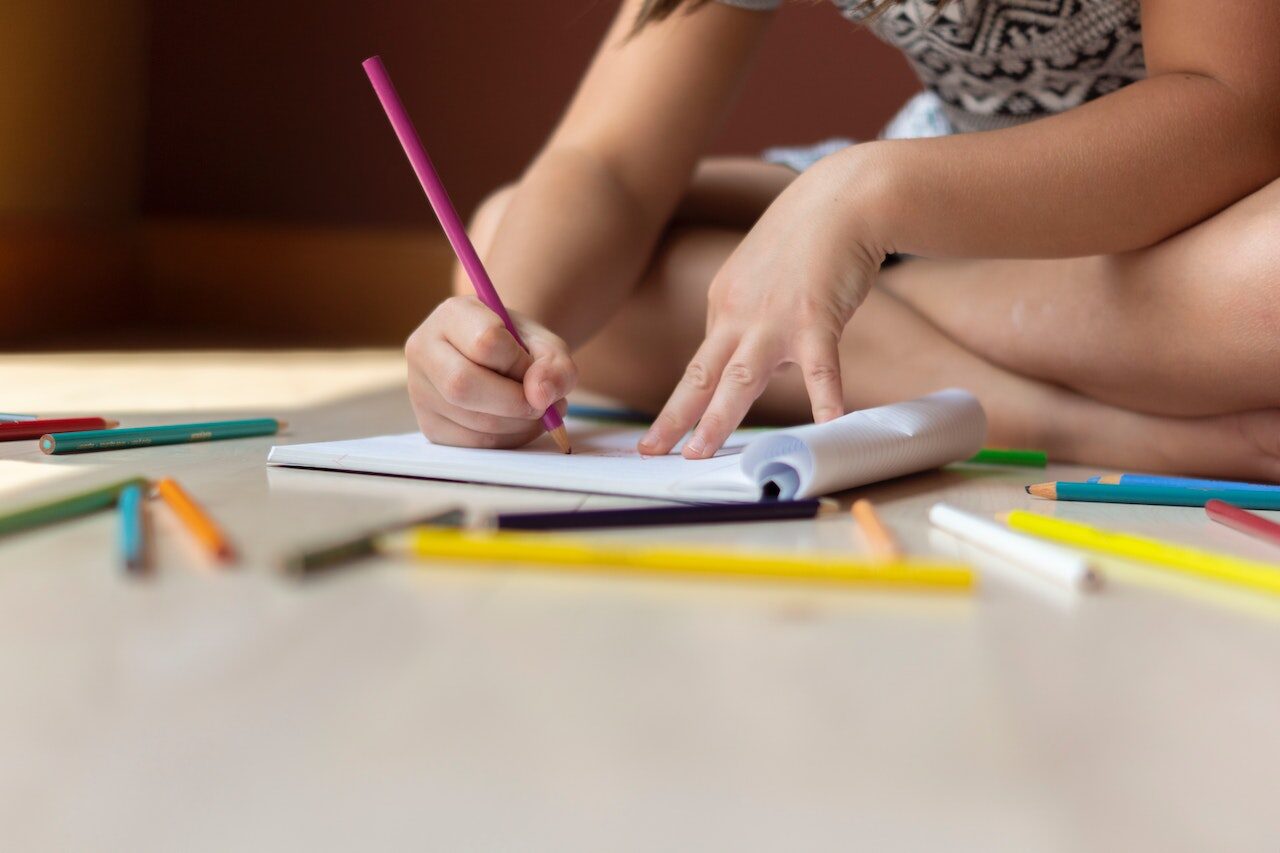

Drawing is a form of visual art that involves creating images on a surface by hand, using a variety of techniques and tools. Whether you are a beginner or an experienced artist, there are certain basic drawing skills that are essential to developing your craft. In this article, we will explore the fundamentals of drawing and the skills you need to master to create compelling artwork.
Observation Skills
One of the most important skills in drawing is the ability to observe the world around you. Drawing is all about capturing the essence of the subject you are drawing, whether it is a person, an object, or a landscape. To do this, you need to be able to observe the subject carefully, noticing its shape, color, texture, and lighting. Practice looking at the world around you with a critical eye, and try to notice the details that make each object unique.
Perspective
Perspective is the technique used to create the illusion of depth and three-dimensionality in a two-dimensional drawing. It is an essential skill for creating realistic drawings. There are two types of perspective: linear perspective, which involves using lines to create the illusion of depth, and atmospheric perspective, which involves using color and tone to create the illusion of distance. Understanding how to use perspective can help you create drawings that are more dynamic and lifelike.
Proportion
Proportion refers to the relationship between the size and placement of different elements in a drawing. It is important to understand proportion in order to create drawings that are realistic and visually pleasing. To practice proportion, try drawing from life, using a grid to help you break down the subject into smaller parts and ensure that each part is in proportion to the others.
Shading
Shading is the technique used to create the illusion of depth and form in a drawing. It involves using light and shadow to create contrast and dimensionality. Understanding how to shade can help you create drawings that are more realistic and visually interesting. To practice shading, try drawing simple objects such as spheres or cubes, and experiment with different types of lighting to create different effects.
Composition
Composition refers to the arrangement of different elements in a drawing. It is important to consider composition when creating a drawing, as it can greatly affect the overall impact of the artwork. To practice composition, experiment with different arrangements of objects, and try to create a sense of balance and harmony in the drawing.
Line Quality
Line quality refers to the characteristics of the lines used in a drawing, such as thickness, texture, and smoothness. Understanding how to use different types of lines can help you create drawings that are more expressive and dynamic. To practice line quality, experiment with different types of pens and pencils, and try to create a variety of lines with different thicknesses and textures.
Gesture Drawing
Gesture drawing is a technique used to quickly capture the movement and essence of a subject. It involves creating quick, fluid sketches that capture the energy and motion of the subject. Gesture drawing is an important skill for artists who want to create dynamic, expressive drawings. To practice gesture drawing, try drawing from life, and focus on capturing the essence of the subject in quick, fluid strokes.
Understanding of Form
Understanding form is crucial to the creation of any artwork. It refers to the three-dimensional representation of objects or subjects. It’s important to understand how to create the illusion of three-dimensional form on a two-dimensional surface.
Understanding of Light and Shadow
Understanding light and shadow is also essential to creating three-dimensional form in your artwork. This involves knowing how to observe the way light falls on objects, how it creates highlights and shadows, and how to represent these elements in your artwork.
Patience and Perseverance
Drawing requires patience and perseverance. It is not a skill that can be mastered overnight. It takes time, practice, and a willingness to keep trying, even when things don’t go as planned. As an artist, you need to learn to embrace the process of creation and accept that mistakes are a natural part of the learning process.
Experimentation
Experimentation is essential to developing your own style and approach to drawing. As you explore different techniques and styles, you will discover what works for you and what doesn’t. This is the time to push yourself out of your comfort zone and try new things. Don’t be afraid to take risks and experiment with different mediums, styles, and techniques.
Attention to Detail
Drawing requires attention to detail. It is important to take the time to observe your subject carefully and capture even the smallest details. This attention to detail is what separates good artists from great artists.
Practice
The most important skill in drawing is practice. The more you draw, the better you will become. Regular practice will help you build confidence, develop your skills, and refine your style. Set aside time each day to draw, even if it’s just for a few minutes. This consistency will help you progress faster.
The basic drawing skills listed above are essential for any artist who wants to create compelling and realistic artwork. However, it’s important to remember that there is no right or wrong way to draw. Every artist has their own unique style and approach to their work. With time, patience, and practice, you can develop your own style and approach to drawing that is uniquely yours. Don’t be afraid to experiment, take risks, and keep pushing yourself to become a better artist.