
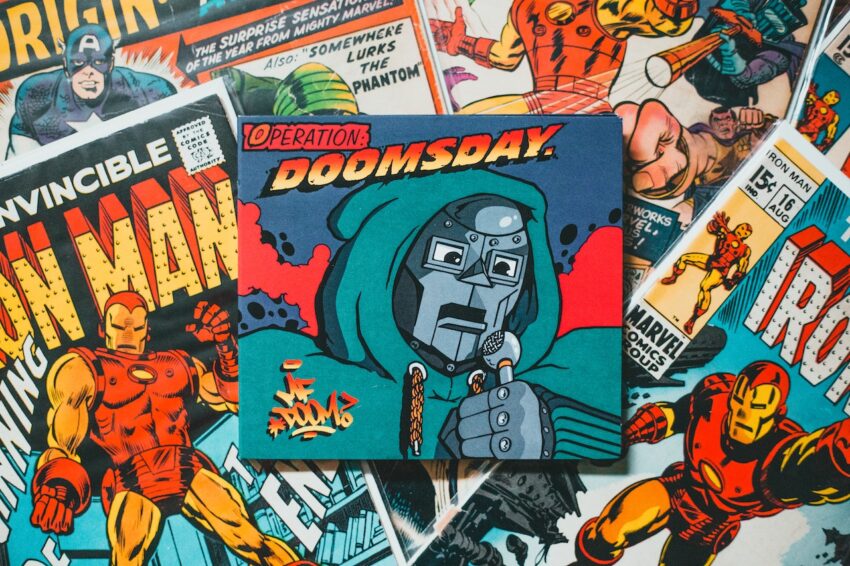
Cartoons and comic strips have the remarkable ability to bring smiles, laughter, and commentary to our lives. Through their clever use of visual storytelling, exaggerated characters, and witty dialogue, cartoons and comic strips have the power to entertain, communicate ideas, and evoke emotions. In this article, we will delve into the world of cartooning and comic strips, exploring the techniques and principles that make them successful. From character design and storytelling to humor and visual gags, we will uncover the secrets behind creating engaging and humorous cartoons and comic strips.
Character Design:
Character design is a crucial element in cartooning and comic strips. Create distinctive and memorable characters by exaggerating their features, emphasizing unique traits, and playing with proportions. Characters with recognizable silhouettes and expressive faces make an immediate impact on the reader, allowing for easy identification and engagement.
Expressive Facial Expressions:
Facial expressions are essential in conveying emotions and humor in cartoons and comic strips. Experiment with a wide range of expressions, from subtle nuances to exaggerated reactions. Play with eyes, eyebrows, mouths, and body language to evoke laughter and communicate emotions effectively. Mastering the art of expressive faces is a key component of creating humorous and engaging cartoon characters.
Storytelling through Panels:
Comic strips rely on the arrangement of panels to tell stories. Experiment with different panel layouts and sizes to create a visual rhythm that guides the reader’s eye smoothly from one scene to another. Utilize composition techniques, such as close-ups, long shots, and dynamic angles, to add variety and enhance the narrative flow.
Humor and Visual Gags:
Humor is at the heart of cartoons and comic strips. Incorporate visual gags, puns, and clever wordplay to generate laughter. Explore unexpected twists, incongruous situations, and humorous juxtapositions to create comedic effect. The element of surprise and the unexpected are powerful tools in evoking humor and engaging the audience.
Timing and Pacing:
Mastering timing and pacing is essential in comic strips. Use the space between panels to create pauses, build suspense, and enhance the delivery of punchlines. Control the rhythm and tempo of your storytelling, allowing for comedic timing and moments of anticipation. The right pacing can heighten the impact of jokes and comedic situations.
Visual Storytelling:
Cartoons and comic strips are visual storytelling mediums. Use visual elements, such as composition, perspective, and sequential art techniques, to convey the story effectively. Experiment with dynamic poses, action lines, and exaggerated movements to create energy and engage the reader visually.
Simplified Backgrounds:
In cartoons and comic strips, backgrounds are often simplified to draw focus on the characters and the narrative. Use minimalistic backgrounds, solid colors, or simple patterns to create a balance between visual appeal and storytelling. Ensure that the backgrounds support the narrative and do not distract from the humor and character interactions.
Captions and Dialogue:
Effective use of captions and dialogue is essential in comic strips. Craft concise and witty dialogue that complements the visuals and enhances the comedic effect. Experiment with wordplay, puns, and ironic statements to add depth and humor to the narrative. Balancing the visual and verbal elements ensures a harmonious interplay between the art and the text.
Series and Recurring Themes:
Developing a series or recurring themes in your comic strips can create a sense of continuity and familiarity. Consistent characters and storylines allow readers to connect with the world you’ve created and anticipate new episodes. Develop ongoing jokes, catchphrases, or running gags that become signature elements of your work, establishing a unique identity and building a loyal fan base.
Observation and Inspiration:
Observe the world around you and draw inspiration from everyday life. From social observations to personal experiences, incorporating relatable elements in your cartoons and comic strips enhances their humor and relevance. Develop a keen eye for the idiosyncrasies of human behavior, societal trends, or cultural references that can be cleverly incorporated into your work.
Drawing cartoons and comic strips is a delightful art form that combines humor, storytelling, and visual creativity. By mastering character design, expressive facial expressions, and effective storytelling techniques, you can create engaging and humorous artworks that connect with audiences on a deep and enjoyable level. Embrace the power of visual gags, clever dialogue, and timing to evoke laughter and create memorable characters and narratives. So, grab your pens, let your imagination roam free, and embark on a journey of laughter and artistic expression as you bring your cartoons and comic strips to life.