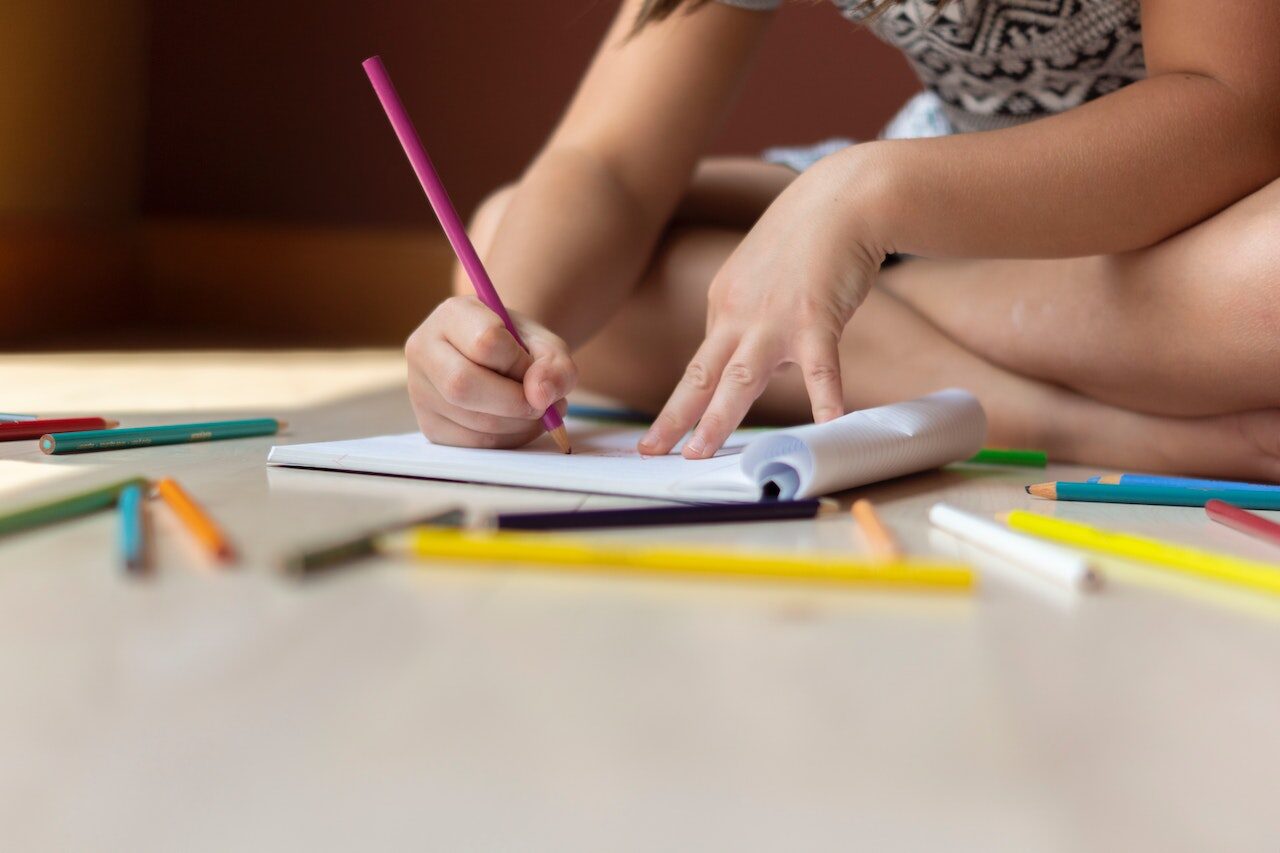
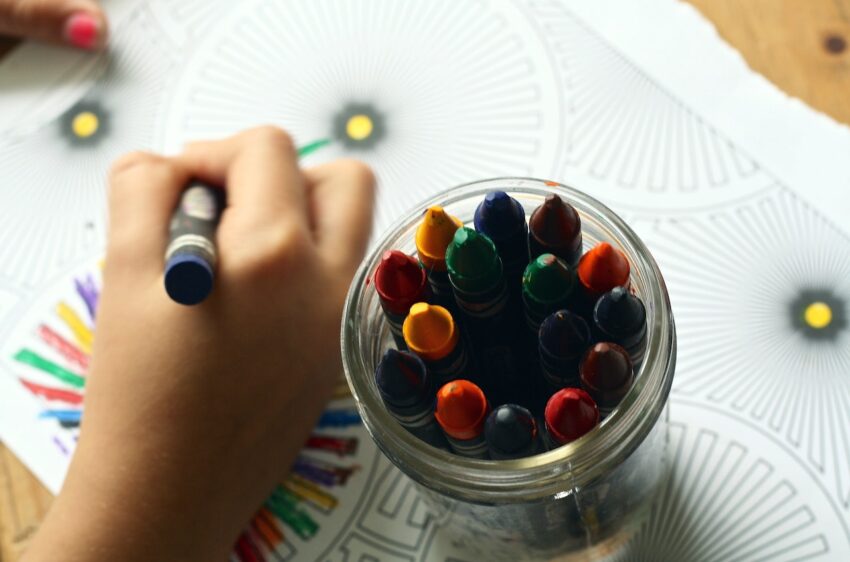
Many parents of preschoolers may be concerned if their child doesn’t color inside the lines when drawing. However, this is actually a very common and normal behavior for children of this age. Here are some reasons why you shouldn’t worry if your preschooler won’t color in the lines when drawing:
- Developmental Stage
Preschoolers are still in the early stages of their development, and their fine motor skills are still developing. Coloring inside the lines requires a lot of precision and control, which may be challenging for children at this age. It’s important to be patient and supportive as your child develops these skills over time. - Creativity
Preschoolers are naturally creative and imaginative, and may be more interested in exploring different colors and patterns than in coloring inside the lines. Allowing your child to express their creativity and explore different forms of self-expression can help foster their love for art and build their confidence. - Different Learning Styles
Some children may have different learning styles that make it more challenging for them to color inside the lines. For example, some children may be more visually or kinesthetically oriented, and may learn better through touch or movement. Allowing your child to explore different forms of art and self-expression can help you discover their preferred learning style. - Confidence Building
Focusing too much on coloring inside the lines can make your child feel frustrated or self-conscious, which can hinder their confidence and creativity. Instead, it’s important to focus on building your child’s confidence and encouraging them to enjoy the process of creating art, rather than focusing solely on the end product. - Learning through Play
Preschoolers learn through play, and art is an important part of their play and exploration. Allowing your child to explore different forms of art and self-expression can help them develop their creativity, fine motor skills, and cognitive abilities.
Should I Correct My Child While They Are Drawing?
As a parent, you may feel tempted to correct your child’s drawing when you see that they are not following the expected guidelines. However, it’s important to understand that art is a form of self-expression and should be encouraged, rather than corrected. Here are some considerations to keep in mind when it comes to correcting your child when drawing:
- Age-Appropriate Expectations
It’s important to have age-appropriate expectations when it comes to your child’s drawing skills. Younger children may not have the same level of precision and control when it comes to coloring and drawing, and this is completely normal. As children grow and develop, their fine motor skills will improve, and they will naturally become more skilled at coloring and drawing. - Encouragement and Support
Instead of correcting your child, it’s important to offer encouragement and support for their drawing efforts. Praising your child for their creativity, effort, and imagination can help boost their confidence and inspire them to continue exploring and experimenting with art. - Process Over Product
Focusing too much on the end product of your child’s drawing can put unnecessary pressure on them, and may discourage them from continuing to explore and experiment with art. Instead, focus on the process of drawing and the enjoyment of the activity itself. Encourage your child to experiment with different materials, colors, and patterns, and celebrate the unique qualities of their work. - Providing Tools and Resources
Offering your child access to a variety of art supplies and resources can help them develop their skills and explore different techniques. For example, providing your child with different types of paper, pencils, markers, and paints can help them discover their preferences and develop their skills. You can also provide books, videos, and online tutorials that offer guidance and inspiration for your child’s drawing efforts. - Offering Feedback
While it’s important to avoid correcting your child’s drawing, offering constructive feedback can be helpful in fostering their growth and development. For example, you might ask your child open-ended questions about their work, such as “What do you like about your drawing?” or “What was challenging about this drawing?” This type of feedback encourages your child to reflect on their work and to develop critical thinking skills.
It is important to approach your child’s drawing efforts with a sense of openness, curiosity, and encouragement. Correcting your child when drawing can be counterproductive, and may discourage them from exploring and experimenting with art. Instead, focus on offering support and resources, providing age-appropriate expectations, and celebrating the unique qualities of your child’s work. By fostering a sense of creativity, curiosity, and self-expression in your child’s drawing efforts, you can help them develop a lifelong love for art and creativity.
Benefits of Drawing
Drawing is a great activity for preschoolers because it provides a wide range of developmental benefits. First and foremost, drawing helps children develop their fine motor skills, which are critical for activities such as writing and using utensils. Drawing also fosters creativity and imagination, allowing children to express themselves and develop their own unique styles and approaches to art.
In addition, drawing can help preschoolers develop their cognitive abilities, such as problem-solving and critical thinking. Through drawing, children learn to observe the world around them, recognize patterns and shapes, and think creatively about how to represent their ideas and visions on paper.
Drawing can also have emotional benefits for preschoolers, allowing them to process and express their feelings in a safe and non-judgmental way. By creating their own unique works of art, preschoolers can feel a sense of accomplishment and pride, building their self-esteem and confidence.
There is no need to worry if your preschooler won’t color inside the lines when drawing. Instead, focus on supporting and encouraging their creativity, and providing them with opportunities to explore and experiment with different forms of art and self-expression. By allowing your child to express themselves freely and without judgment, you can help foster their love for art and creativity, and build their confidence and skills over time.