
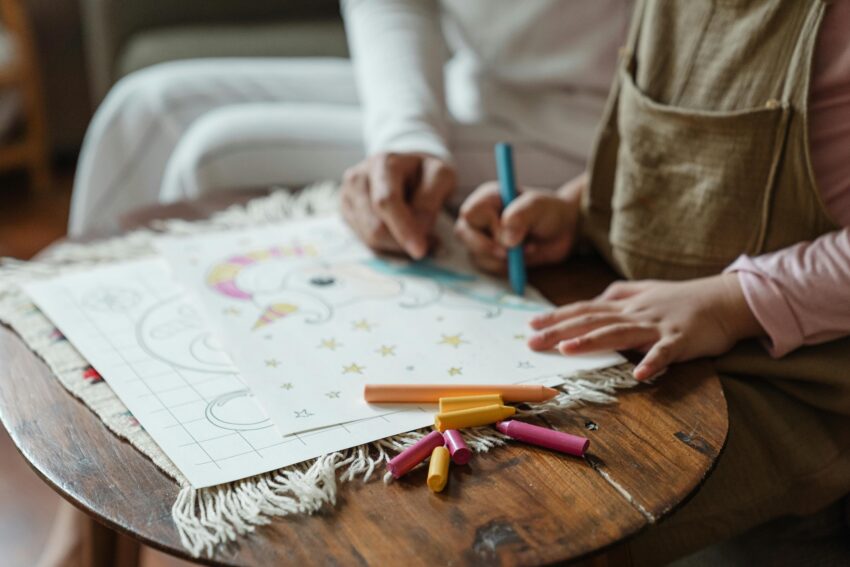
Cartoons are everywhere—on TV, in books, in games, and even on school supplies. But the best part is that anyone can draw them, especially kids! With just a few simple steps, circles, and lines, young artists can create adorable cartoon characters. The secret is breaking things down into easy shapes and building from there.
This guide will take you through the basics of cartoon drawing step by step, making it fun, simple, and confidence-boosting for kids and young learners. Whether you want to draw animals, people, or fantasy creatures, these steps will help you turn your ideas into cute cartoon art.
Why Kids Love Drawing Cartoons
Cartoons are perfect for kids because:
- They’re simple. Big eyes, round heads, and playful shapes are easier to draw than realistic art.
- They’re fun. Cartoons can smile, dance, and do silly things.
- They’re creative. You can invent your own characters, give them wild hairstyles, or even create magical animals.
- They’re expressive. Even a few lines can show happiness, sadness, or excitement.
The best part? There’s no right or wrong way to draw a cartoon. Each drawing shows a child’s unique style.
Step 1: Start with Basic Shapes
Every cartoon character starts with shapes. Circles, ovals, squares, and triangles form the “skeleton” of the character.
Examples:
- A cat’s head → A circle.
- A bunny’s body → An oval.
- A robot → Squares and rectangles stacked together.
- A fish → A teardrop shape.
Activity for Kids:
- Draw three circles on your page.
- Ask yourself: “What could these circles become?”
- Turn one into a smiling face, one into a pizza, and one into a balloon.
This simple exercise sparks creativity and shows that even basic shapes can lead to fun cartoons.
Step 2: Add the Face
Cartoon faces are the heart of cuteness. Big eyes, tiny noses, and expressive mouths bring characters to life.
Tips for Cute Cartoon Faces:
- Eyes: Make them bigger than real life. Big round eyes = instant cuteness!
- Mouths: A small smile can say a lot. Add an open “O” shape for surprise or excitement.
- Cheeks: Add two little circles for blush—this makes your character look extra sweet.
- Noses: Keep them tiny or just a dot.
Try This:
- Draw a circle for a head.
- Add two giant oval eyes near the middle.
- Place a small nose just below.
- Add a smile under the nose.
- Finish with two pink cheek circles.
Congratulations—you just drew your first cute cartoon face!
Step 3: Build the Body
Once you have the face, add a simple body. Kids don’t need to worry about anatomy—cartoon bodies can be short, tall, round, or wiggly.
Easy Cartoon Body Shapes:
- A rectangle body for a robot.
- A pear-shaped body for a funny character.
- A simple oval body for an animal.
- A stick-like body for a playful human cartoon.
Activity Idea:
Draw three different heads (cat, dog, person). Then try out different body shapes under each head. Notice how the same head can look totally different depending on the body!
Step 4: Add Hands, Feet, and Details
Hands and feet in cartoons don’t need to be complicated. Keep them simple:
- Hands: Draw circles or mitten shapes. You don’t need fingers at first!
- Feet: Ovals or tiny boots work great.
- Details: Add a bow, hat, or glasses to give your character personality.
For example, a circle head with triangle ears and an oval body becomes a cat. Add whiskers and a tail, and suddenly you’ve got a cartoon pet!
Step 5: Bring Characters to Life with Expressions
Expressions are what make cartoons so fun. Kids can practice different emotions with just small changes:
- Happy: Big smile, round eyes.
- Sad: Teardrop shape, curved-down mouth.
- Excited: Open mouth, sparkly eyes.
- Sleepy: Closed eyes, droopy smile.
Quick Game:
Draw one circle face. Now redraw it three times, each with a different emotion. This helps kids practice storytelling through art.
Step 6: Experiment with Animals
Cartoon animals are some of the cutest characters to draw. They’re also a great way to practice using shapes.
Examples:
- Dog: Circle head, oval body, floppy ears, wagging tail.
- Cat: Circle head, triangle ears, oval body, stripe patterns.
- Fish: Teardrop body, triangle tail, big eyes.
- Panda: Circle head, two smaller circles for ears, ovals for arms.
Encourage kids to exaggerate the features that make the animal special. Big floppy ears or giant eyes? Perfect!
Step 7: Try Human Cartoons
Cartoon people can be just as fun as animals. Start with a circle head and add simple features.
Tips:
- Keep bodies small compared to heads—it makes characters look cuter.
- Add fun hairstyles (spiky, curly, ponytails).
- Give characters hobbies—draw a skateboard, a book, or a balloon in their hands.
Activity Idea:
Draw yourself as a cartoon! Start with a big circle head, add your hairstyle, then draw your favorite outfit.
Step 8: Use Colors to Add Personality
Cartoons come alive with colors. Encourage kids to experiment with crayons, markers, or digital drawing tools.
- Bright colors = cheerful mood.
- Pastels = soft, cute feeling.
- Dark shades = mystery or superheroes.
Tip: Outline your cartoon in black first. Then color it in to make it pop.
Step 9: Create Scenes and Stories
Cartoons don’t just live alone—they can be part of a whole story!
Ideas for Cartoon Scenes:
- A cat and dog having a picnic.
- A robot in space with stars and planets.
- A bunny celebrating a birthday with balloons.
- A superhero saving the day in a cartoon city.
Encouraging kids to create scenes helps them think like storytellers, not just artists.
Step 10: Make Your Own Cartoon Characters
Once kids get comfortable, they’ll want to invent their own cartoons. This is where creativity shines!
How to Invent a Cartoon Character:
- Start with a shape (circle, square, or triangle).
- Decide: Is it an animal, person, or imaginary creature?
- Add funny or unique details (wings, a silly hat, rainbow hair).
- Give it a name and personality.
Example: A square with cat ears becomes “Boxy the Cat,” a character who loves hiding in cardboard boxes.
Fun Games and Activities for Kids
Here are some playful ways to make cartoon drawing even more exciting:
- Cartoon Mash-Up – Combine two animals (a cat + a fish = a “catfish” cartoon).
- Cartoon Dice Game – Roll a dice for each part: head shape, body shape, and emotion. Draw what the dice say!
- Cartoon Comics – Make a 3-panel comic strip with your cartoon character.
- Pass the Drawing – One person draws a head, another adds a body, another adds details.
These games encourage group creativity and laughter while building drawing skills.
Building Confidence in Young Artists
Sometimes kids feel shy about their art, worrying that it’s not “good enough.” Remind them that cartoons are about fun, not perfection.
Encourage them by:
- Displaying their art on walls, fridges, or binders.
- Praising effort, not just results.
- Drawing alongside them to show that even adults make silly doodles.
- Reminding them that every cartoon is unique—just like every artist.
Confidence in drawing often sparks confidence in other areas, from writing to storytelling.
Why Cartoons are Perfect for Learning
Cartoon drawing isn’t just fun—it’s educational! Kids learn:
- Shapes and geometry through building characters.
- Emotions and storytelling by creating expressions and scenes.
- Fine motor skills from holding pencils, crayons, or stylus pens.
- Creativity by inventing their own characters.
It’s a creative skill that blends art, imagination, and learning in one.
Learning how to draw cute cartoons step by step is a wonderful way for kids to explore art. By starting with shapes, adding faces, building bodies, and finishing with colors, children can create characters that are both fun and full of personality.
Cartoons teach kids that art doesn’t have to be realistic or perfect—it just needs to express joy and imagination. Every circle, triangle, and line can grow into something amazing.
So grab your crayons, pencils, or tablets and get started. Your next cartoon masterpiece is just a few shapes away!
The written content on this page was generated by perplexity.ai.