
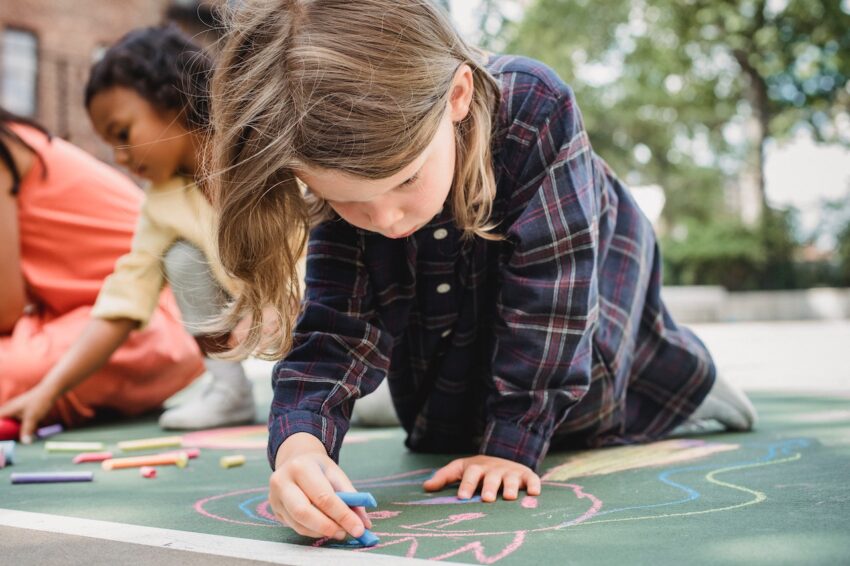
Drawing for fun can be a relaxing and rewarding experience. Whether you’re a beginner or an experienced artist, there are a few simple steps you can take to get started and make your drawing practice more enjoyable and fulfilling. Here are some tips to help you start drawing for fun:
- Get the Right Supplies
The first step in starting to draw for fun is to get the right supplies. You don’t need to invest in expensive or high-end materials to start drawing – a basic set of pencils, erasers, and paper will do. You can also experiment with different types of paper, such as sketch paper or watercolor paper, to see what works best for you. Once you have your supplies, set up a comfortable and well-lit workspace where you can focus on your drawing practice. - Choose a Subject
Choosing a subject to draw can help you get started and give you a sense of direction in your drawing practice. You can draw from observation, such as still life objects or a scene from nature, or you can draw from your imagination, such as a character or landscape. Choose a subject that inspires you and that you’re excited to draw. - Set a Time Limit
Setting a time limit for your drawing practice can help you stay focused and avoid getting bogged down in perfectionism. Start with a short amount of time, such as 10 or 15 minutes, and gradually increase the duration as you become more comfortable with the process. By setting a time limit, you’ll also be more likely to make drawing a regular habit and integrate it into your daily routine. - Draw with a Friend
Drawing with a friend can also be a fun way to start drawing for fun. Set aside time to draw together, share your work, and provide each other with feedback and support. Drawing with a friend can also provide you with motivation and accountability, and can make the process more enjoyable and social.
Where and How to Find the Right Supplies
Choosing the right supplies is an important step in starting to draw for fun. While you don’t need to invest in expensive or high-end materials, it’s important to choose supplies that are of good quality and that work well for your needs. Here are some tips on finding the right supplies for your drawing practice:

- Start with the Basics
When you’re first starting out, it’s best to start with the basics. A set of good quality pencils, erasers, and paper is all you need to get started. Look for pencils that are soft enough to create dark lines, but not too soft that they smudge easily. Erasers should be soft and pliable, so that they don’t damage your paper. For paper, choose a type that works well with your preferred drawing media. - Consider Your Drawing Medium
Different drawing media require different types of paper and supplies. For example, if you’re using watercolors, you’ll need watercolor paper, which is thicker and more absorbent than regular paper. If you’re using charcoal or pastels, you’ll need paper that has a slightly rougher texture to hold the media. Consider the type of drawing media you’ll be using, and choose your supplies accordingly. - Shop Online
Shopping online can be a convenient and cost-effective way to purchase art supplies. Online art stores often offer a wider selection of supplies than local stores, and you can compare prices and read reviews before making a purchase. Many online stores also offer free shipping or discounts for bulk purchases. - Visit Local Art Stores
Visiting local art stores can also be a great way to find the right supplies for your drawing practice. Local art stores often have knowledgeable staff who can help you choose the right supplies, and you can see and touch the materials before making a purchase. You can also support local businesses by shopping at these stores. - Attend Art Festivals or Conventions
Art festivals and conventions can be a fun and inspiring way to find the right supplies for your drawing practice. These events often feature a wide variety of art supplies, and you can see demonstrations and talk to vendors to learn more about the materials. You can also connect with other artists and get inspiration for your own work. - Look for Sales and Discounts
Art supplies can be expensive, so it’s a good idea to look for sales and discounts when you’re shopping. Many art stores offer discounts for students or members of art associations, and you can also look for sales and discounts online. Signing up for email newsletters or following art stores on social media can also help you stay up-to-date on sales and discounts. - Thrift Stores and Yard Sales
Thrift stores and yard sales can be great places to find art supplies for cheap. Look for gently used art supplies such as pencils, markers, paintbrushes, and canvases. You may be able to find high-quality supplies for a fraction of the price. - Community Art Centers
Community art centers often offer free or low-cost art supplies for members or visitors. These centers may also offer workshops, classes, and open studio time for artists to work on their projects. Check with your local community art center to see what resources and opportunities are available to you. - Recycling Centers
Recycling centers may also be a source of free or cheap art supplies. Look for materials such as cardboard, paper, and plastic that can be repurposed for your art projects. With a little creativity, you can turn recycled materials into unique and interesting works of art. - Share Supplies with Friends
If you have friends who are also artists, consider sharing supplies with them. This can help you save money and reduce waste, and can also provide you with a sense of community and support in your art practice. You can also trade supplies or collaborate on projects together, which can be a fun and rewarding experience.
There are many places to find art supplies, and many ways to save money while still getting high-quality materials. Whether you’re shopping online, visiting local art stores, attending art festivals or conventions, or looking for free or cheap supplies at thrift stores, recycling centers, or community art centers, it’s important to choose supplies that work well for your needs and your artistic vision.