
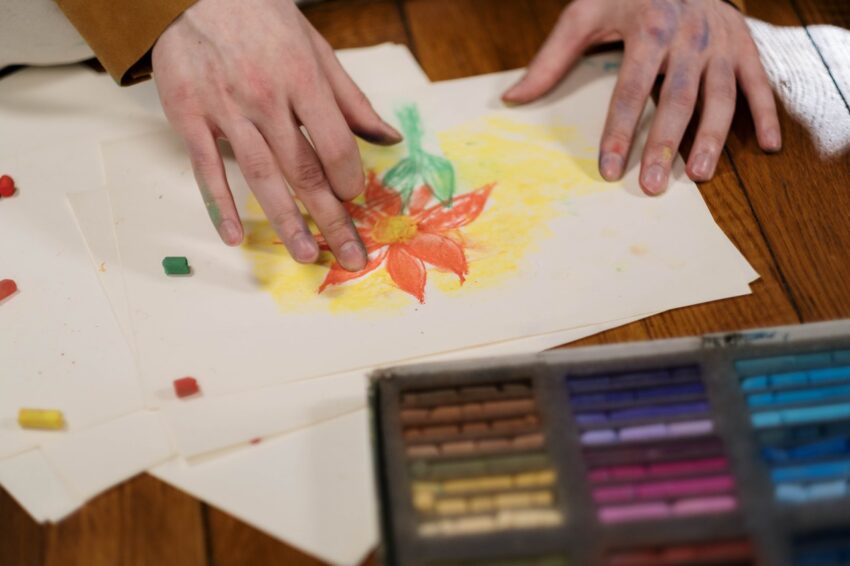
Drawing flowers can be a fun and rewarding activity for beginners, whether you’re an adult or a child. There are many different approaches and techniques you can use to draw flowers, depending on your skill level and the type of flower you want to draw. Here are some simple steps to help you get started with drawing flowers for beginners:
- Choose your flower
The first step in drawing a flower is to choose the type of flower you want to draw. This will depend on your personal preferences, as well as the level of difficulty you are comfortable with. Some popular flowers for beginners include daisies, sunflowers, and roses. - Sketch the basic shape
Once you have chosen your flower, it’s time to sketch the basic shape of the flower on paper. Use light pencil lines to create a rough outline of the flower, starting with the main shape of the flower and then adding the details. - Add the details
After you have sketched the basic shape of the flower, it’s time to add the details. This can include the petals, leaves, stem, and any other features that are specific to the type of flower you are drawing. Take your time and use light, small strokes to add the details, building up the drawing gradually. - Shade and color
Once you have added the details to your flower, you can start shading and coloring your drawing. Use light, directional strokes to create shading and depth, and add color using colored pencils, markers, or watercolors. If you’re using colored pencils, try layering different colors to create a more realistic effect. - Refine and adjust
As you work on your flower drawing, it’s important to refine and adjust the details as you go. Take a step back from your drawing every so often to evaluate your progress and make any necessary adjustments. This will help you create a more realistic and detailed drawing. - Practice and experiment
Drawing flowers is a skill that takes practice and experimentation. Don’t be afraid to try different techniques, styles, and approaches to see what works best for you. With time and practice, you’ll develop your own unique style and approach to drawing flowers. - Study the structure of the flower
To draw a flower realistically, it’s important to understand its structure. Look at reference images or real flowers and study the shapes and proportions of the petals, leaves, stem, and other features. This will help you create a more accurate and detailed drawing. - Start with light pencil lines
When sketching the outline of your flower, use light pencil lines that are easy to erase if you make a mistake. This will allow you to make adjustments as you go and refine the shape of the flower as needed. - Use reference images
Using reference images can be very helpful when drawing flowers. Look for high-quality images of the flower you want to draw and use them as a guide for the structure, proportions, and details of your drawing. - Experiment with different techniques
There are many different techniques you can use when drawing flowers, such as crosshatching, stippling, or blending. Experiment with different techniques and find the one that works best for you and the style you want to achieve. - Practice shading and highlighting
Shading and highlighting are essential for creating a realistic and three-dimensional effect in your flower drawing. Practice shading different areas of the flower, such as the petals or leaves, and experiment with different shades and hues to create depth and dimension. - Use a lightbox
If you want to trace a reference image or sketch onto your final drawing paper, you can use a lightbox to make the process easier. Simply place your reference image on the lightbox and your drawing paper on top, and trace the outline and details of the flower onto your paper. - Don’t forget the background
The background of your flower drawing can help enhance the overall effect and create a sense of depth and atmosphere. Experiment with different background colors or patterns, or add a simple shading effect to create a more realistic and dynamic drawing. - Pay attention to light and shadow
Light and shadow are important elements in any drawing, and can help create a sense of depth and dimension in your flower drawing. Pay attention to the direction of light in your reference image, and use shading techniques to create highlights and shadows on the petals, leaves, and stem. - Practice drawing from observation
To improve your drawing skills, it’s important to practice drawing from observation. Go outside and observe real flowers, or study high-quality photographs to practice drawing the structure and details of different types of flowers. - Try different mediums
While pencil is a common medium for drawing flowers, don’t be afraid to experiment with different materials such as pen and ink, watercolor, or colored pencils. Each medium has its own unique qualities and can help you achieve different effects in your flower drawing.
By following these tips and practicing regularly, you can develop your skills and create beautiful flower drawings that are both realistic and expressive. Remember to be patient with yourself and have fun exploring different techniques and styles as you continue to develop your drawing skills.
Here are some additional tips to help you draw flowers for beginners:
• Start with simple shapes and work your way up to more complex flowers.
• Use reference images to help you understand the structure and details of different types of flowers.
• Experiment with different materials and techniques to find what works best for you.
• Don’t worry about making mistakes – they are a natural part of the learning process.
• Have fun and enjoy the process of creating something beautiful!
You should know that drawing flowers can be a fun and rewarding activity for beginners. By following these simple steps and practicing regularly, you can develop your skills and create beautiful flower drawings that you can be proud of. So grab your paper and pencils, and start drawing!