
Drawing is a versatile and captivating form of artistic expression that can be achieved through a wide array of drawing materials. Each material offers unique characteristics, textures, and effects, allowing artists to explore their creativity and unleash their artistic potential. In this article, we will embark on a journey to discover and explore various drawing materials, understanding their qualities, and the ways in which they can elevate your artwork.
Graphite Pencils:
Graphite pencils are a staple in every artist’s toolkit. Available in different grades, ranging from hard (light marks) to soft (dark marks), graphite pencils allow for precise lines, shading, and blending. They are ideal for creating detailed and realistic drawings, as well as for sketching and preliminary work.
Colored Pencils:
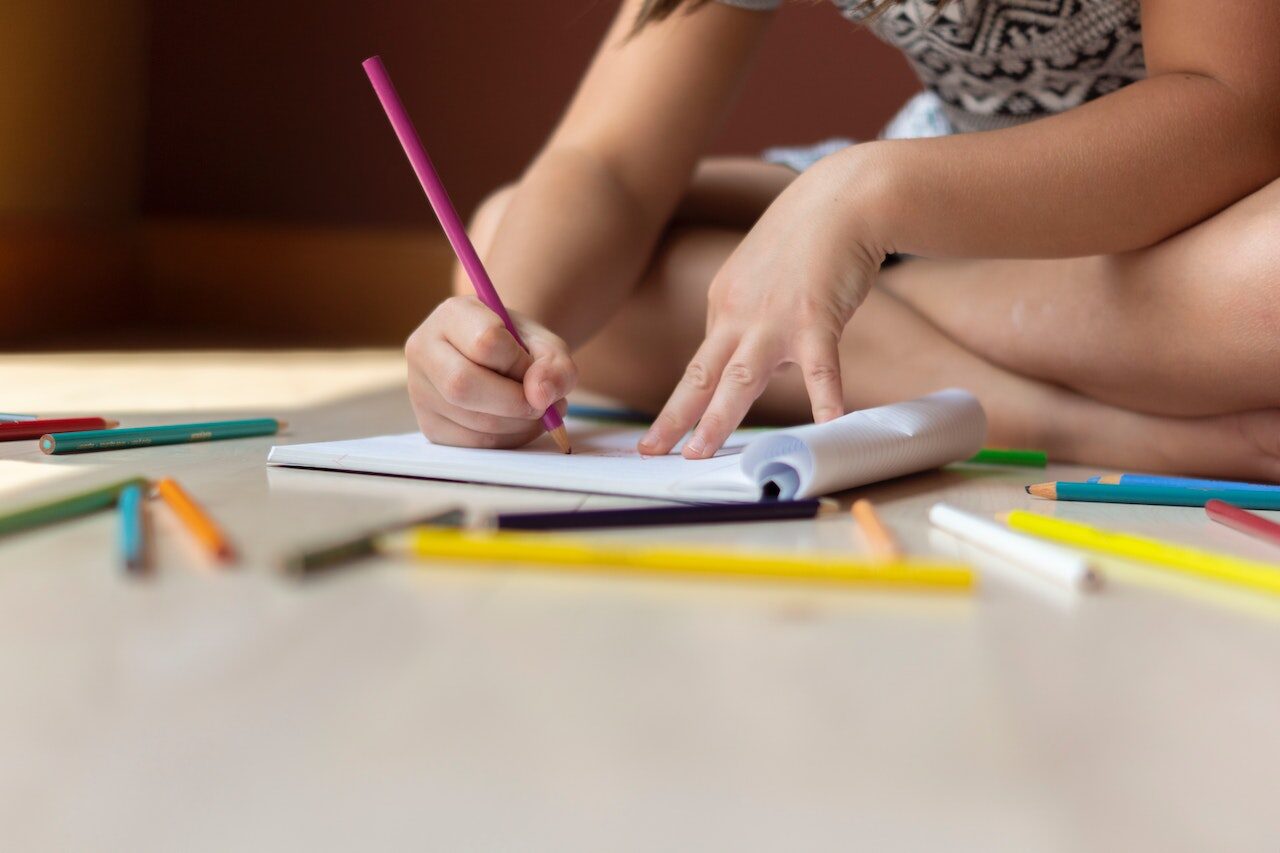
Colored pencils offer a vibrant and versatile medium for drawing. They come in a wide range of colors and allow for layering, blending, and creating intricate details. Whether used alone or combined with other mediums, colored pencils bring life and richness to your drawings, allowing for stunning color effects and a wide spectrum of tones.
Charcoal:
Charcoal is a versatile medium that produces bold, expressive, and dramatic drawings. It offers a wide range of values, from deep blacks to delicate grays, allowing artists to create dynamic and atmospheric compositions. Charcoal can be used in various forms, such as sticks, pencils, or powdered charcoal for creating smudged and textured effects.
Ink:
Ink is a versatile and dynamic medium that can be used for drawing, sketching, and even creating intricate pen and ink illustrations. It offers clean lines, bold contrasts, and a wide range of textures. Artists can experiment with different types of ink, such as India ink or fountain pen ink, and explore techniques like cross-hatching, stippling, or ink washes.
Pastels:
Soft pastels are a dry drawing medium known for their vibrant colors and rich textures. They offer a velvety and painterly effect, allowing artists to create lush landscapes, portraits, or abstract compositions. Pastels can be blended, layered, and smudged using fingers or blending tools to achieve smooth transitions and create stunning visual effects.
Watercolor Pencils:
Watercolor pencils combine the precision of colored pencils with the versatility of watercolors. They can be used dry for detailed drawings or activated with water to create beautiful washes and gradients. Watercolor pencils allow for precise control over color intensity and can be easily blended and layered, making them a popular choice for both beginners and experienced artists.
Marker Pens:
Marker pens, such as alcohol-based markers, offer vibrant colors, smooth application, and quick-drying properties. They are great for creating bold lines, gradients, and vibrant illustrations. Marker pens are often used in comic art, fashion design, and graphic illustrations, offering versatility and ease of use.
Oil Pastels:
Oil pastels are a rich and creamy medium that allows for smooth blending, layering, and vibrant color application. They offer a unique texture and can be applied on various surfaces, such as paper, canvas, or even wood. Oil pastels provide a painterly quality and are often used for expressive drawings, landscapes, and still life compositions.
Chalk and Chalk Pastels:
Chalk and chalk pastels provide a soft, powdery medium that creates a distinct matte finish. They offer a wide range of values and can be easily blended and smudged. Chalk pastels are ideal for creating expressive and textured drawings, while chalk can be used for temporary drawings or creating large-scale artworks.
Mixed Media:
Exploring mixed media involves combining different drawing materials to create unique and visually engaging artworks. This could include using a combination of ink and watercolor, charcoal and pastels, or any other combination that sparks your creativity. Mixed media allows for experimentation, layering, and the creation of visually dynamic and expressive drawings.
Watercolor:
Watercolor is a versatile and transparent medium that offers a delicate and luminous effect. With watercolor paints, you can create washes, gradients, and beautiful translucency. It is ideal for creating landscapes, botanical illustrations, and atmospheric scenes.
Acrylic Paints:
Acrylic paints are known for their quick-drying properties and versatility. They can be used to create vibrant, opaque, and textured drawings. Acrylics can be diluted with water for a more watercolor-like effect or applied thickly for impasto textures.
Gouache:
Gouache is a versatile and opaque water-based paint that can be used similarly to watercolor or acrylics. It offers rich, vibrant colors and can be easily layered and reworked. Gouache is especially popular for creating illustrations and detailed artworks.
Oil Paints:
Oil paints are known for their slow drying time, allowing artists to work with them over extended periods. They offer rich, buttery textures and intense colors. Oil paints are favored by many artists for their ability to blend smoothly and create depth and luminosity in their drawings.
Ink Washes:
Ink washes involve diluting ink with water to create transparent or semi-transparent washes of color. This technique allows for a range of values and can create beautiful, flowing effects. Ink washes are often used in traditional Chinese and Japanese ink paintings.
Scratchboard:
Scratchboard is a unique medium consisting of a board coated with a layer of black ink. Artists use sharp tools to scratch away the ink, revealing the white surface beneath. This technique allows for intricate details and striking contrast, resulting in highly detailed and textured drawings.
Digital Drawing:
With the advancement of technology, digital drawing has become increasingly popular. Using a graphics tablet or touchscreen devices, artists can create drawings digitally using software programs like Photoshop, Procreate, or Illustrator. Digital drawing offers versatility, easy editing, and a wide range of digital brushes and effects.
Metalpoint:
Metalpoint drawing involves using a fine metal wire or stylus to create marks on a prepared surface, usually coated with a layer of gesso. Traditional metalpoint materials include silver, gold, or copper. This technique creates delicate, precise lines that develop a unique patina over time.
Woodburning:
Woodburning, also known as pyrography, is a technique that involves using a heated metal tip to burn designs onto wood surfaces. It allows for intricate details, shading, and texture. Woodburning can be combined with other drawing techniques to create mixed media artworks.
Found Objects:
Expand your artistic horizons by incorporating found objects into your drawings. This can include anything from leaves and twigs to fabric scraps or even discarded materials. Using these objects adds texture, dimension, and a touch of creativity to your artwork.
By exploring these diverse drawing materials, you can expand your artistic repertoire, discover new techniques, and find inspiration in the unique qualities of each medium. Don’t be afraid to experiment and combine different materials to create one-of-a-kind drawings that reflect your artistic vision and style.