
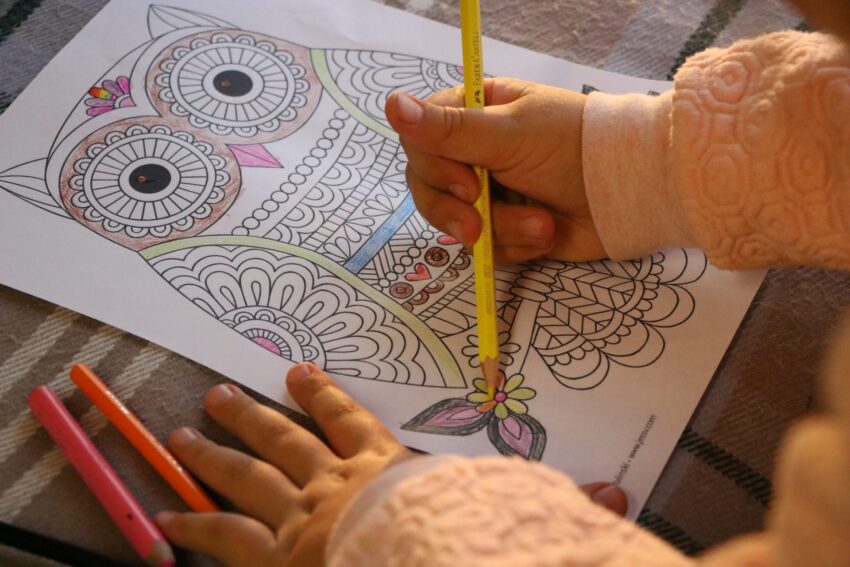
Drawing with colors opens up a world of possibilities, allowing artists to infuse their artwork with vibrancy, depth, and emotional impact. Whether you are a beginner or an experienced artist, understanding the principles and techniques of drawing with colors can significantly enhance your work. In this article, we will explore various tips and tricks to help you master the art of drawing with colors and unlock your full creative potential.
Understand Color Theory:
To effectively draw with colors, it’s essential to grasp the fundamentals of color theory. Familiarize yourself with concepts such as the color wheel, primary, secondary, and tertiary colors, as well as color temperature (warm and cool colors). Understanding these principles will help you create harmonious color palettes and make informed decisions when selecting and mixing colors for your drawings.
Play with Color Harmonies:
Experimenting with color harmonies can add depth and visual interest to your drawings. Explore various color schemes, such as complementary (using colors opposite each other on the color wheel), analogous (using colors next to each other), or triadic (using colors evenly spaced on the color wheel). These harmonies create a sense of balance and cohesion in your artwork.
Use a Limited Color Palette:
Working with a limited color palette can help you create more cohesive and visually pleasing drawings. Instead of using all the colors available, select a few hues that complement each other and experiment with mixing shades and tones within that range. This approach can result in harmonious and unified artworks.
Master Color Mixing:
Knowing how to mix colors effectively is crucial for achieving the desired hues, values, and intensities in your drawings. Start with a basic set of primary colors and experiment with mixing them to create secondary and tertiary colors. Gradually develop your understanding of color mixing to achieve the desired color variations and create depth and dimension in your artwork.
Pay Attention to Value:
Value refers to the lightness or darkness of a color. Understanding the value scale and effectively incorporating it into your drawings can bring depth and realism to your artwork. Experiment with creating gradients and shading to depict the play of light and shadow, emphasizing the form and three-dimensionality of your subjects.
Consider Color Temperature:
Color temperature refers to the perceived warmth or coolness of a color. Warm colors (such as red, orange, and yellow) evoke energy and create a sense of closeness, while cool colors (such as blue, green, and purple) convey calmness and recede into the background. Understanding color temperature allows you to evoke specific moods and atmospheres in your drawings.
Explore Texture and Mark-Making:
Colors can be used to depict texture and create visual interest in your drawings. Experiment with different techniques, such as stippling, cross-hatching, or scumbling, to add texture and depth to your artwork. Consider how colors can be applied with different brushstrokes or mark-making tools to create a variety of textures.
Incorporate Color Psychology:
Colors evoke emotional responses in viewers, and incorporating color psychology into your drawings can enhance their impact. Research the emotional associations of different colors and consider how you can use them strategically to convey the desired mood or message in your artwork.
Contrast for Impact:
Contrast is a powerful tool in drawing with colors. Experiment with contrasting hues, values, and saturations to create visual impact and draw the viewer’s attention to specific areas of your artwork. Contrast can be achieved through the use of complementary colors, light and dark values, or high and low saturation.
Experiment with Different Color Media:
Don’t limit yourself to a single color medium. Explore various options such as colored pencils, markers, watercolors, pastels, or even digital tools. Each medium offers unique characteristics and effects, and experimenting with different color media can expand your artistic repertoire and provide new avenues for creative expression.
Practice Color Observation:
Develop your ability to observe and perceive colors accurately. Take time to study the colors in your environment, noticing subtle variations and the interplay of light and shadow. This practice will help you develop a keen eye for color and translate what you see into your drawings.
Seek Inspiration:
Look for inspiration in the work of other artists who excel in using colors. Study their techniques, color choices, and how they create visual impact through color. Experiment with incorporating elements of their style into your own artwork while adding your unique voice.
Drawing with colors is a delightful and expressive way to create artwork that captivates and engages viewers. By understanding color theory, experimenting with different techniques, and honing your observation skills, you can master the art of drawing with colors. Embrace the creative journey, let your imagination soar, and use colors to infuse your drawings with life, emotion, and visual impact. With practice and exploration, you will discover your unique style and create breathtaking artworks that leave a lasting impression.